
Anatomic Pathology Lab Consulting
Anatomic pathology lab consulting helps a practice, surgery center or hospital set up and run an in-house histopathology, dermatopathology or cytology lab that meets 42 CFR Part 493. The core rules are 493.1273 (histopathology), 493.1274 (cytology), 493.1449 (technical supervisor qualifications) and 493.1105 (keep pathology reports and histopathology slides at least 10 years, blocks at least 2 years). Labs that choose CAP accreditation are also inspected against CAP's Anatomic Pathology checklist.
Last reviewed: Oct 31, 2026
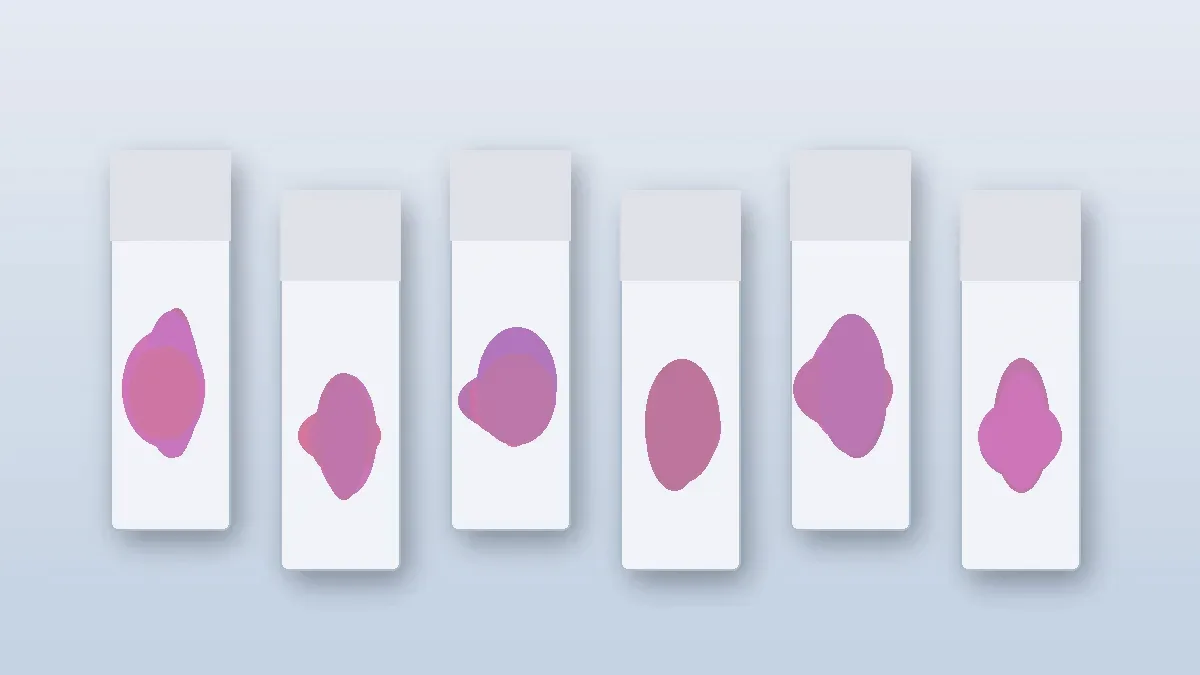
What an anatomic pathology lab is regulated for under CLIA
- Histopathology, including special stains and immunohistochemistry (IHC): 42 CFR 493.1273.
- Cytology, gynecologic and non-gynecologic: 42 CFR 493.1274.
- Dermatopathology, oral pathology and ophthalmic pathology, which have their own technical supervisor options under 493.1449.
- General quality system rules that apply to every specialty: specimen submission and referral (493.1242), procedure manual (493.1251), control procedures (493.1256), test reports (493.1291) and record retention (493.1105).
Anatomic pathology is high complexity testing, so the lab needs a CLIA Certificate of Compliance or Certificate of Accreditation listing the pathology subspecialties it performs, applied for on the CMS-116.
Who can sign out tissue
- Histopathology technical supervisor: an MD or DO licensed in the state where the lab is located and certified in anatomic pathology by the American Board of Pathology or the American Osteopathic Board of Pathology, or another option allowed in 493.1449.
- Dermatopathology: 493.1449 also accepts dermatopathology certification, or dermatology certification by the American Board of Dermatology, for dermatopathology specimens.
- Tissue pathology reports must be signed by a qualified individual; an electronic signature must be authorized by the person who examined the slides and made the diagnosis (493.1273(d)).
- Residents may be delegated examination and interpretation only as 493.1449 allows.
Setup checklist for an in-house anatomic pathology lab
- Define the scope: which specimen types (biopsies, excisions, Mohs, GI, GYN cytology, non-GYN cytology) and which stains and IHC antibodies you will run.
- Confirm the technical supervisor and laboratory director meet 493.1449 and 493.1445 before submitting the CMS-116.
- Pick an accreditation route: CMS state agency survey, or an accrediting organization such as CAP.
- Write procedures for accessioning, grossing, processing, embedding, microtomy, staining, coverslipping, slide review and report sign-out (493.1251).
- Set up stain control records: a known-reactivity control with each special stain run; positive and negative reactivity for IHC and fluorescent stains each time of use (493.1273(a), 493.1256(e)(3)).
- Build retention storage for slides, blocks, reports and wet tissue that meets 493.1105, including a plan if the lab ever closes.
- Verify every new instrument and test before reporting patient results (493.1253) and document training and competency for testing personnel (493.1489).
- Write a formaldehyde exposure program and a chemical hygiene plan (OSHA 29 CFR 1910.1048 and 1910.1450).
Common survey problems in anatomic pathology labs
- IHC runs with no documented negative control, or controls read but not recorded.
- Special stain control slides not kept or not linked to the patient slides they covered.
- Reports signed electronically without an authorization trail tied to the reviewing pathologist.
- Block and slide retention shorter than 493.1105 requires, or no off-site storage plan.
- Grossing done by staff without documented qualifications or competency.
- No correlation process between frozen sections and permanent sections, or between cytology and histology results.
- Formaldehyde monitoring and training records missing.
Records to keep
- Pathology reports, preliminary and corrected: at least 10 years (493.1105(a)(6)(ii)).
- Histopathology slides: at least 10 years; cytology slides: at least 5 years; blocks: at least 2 years (493.1105(a)(7)).
- Stain QC, IHC control and reagent lot records: at least 2 years.
- Procedure manual versions with dates of first use and discontinuance: at least 2 years after retirement.
- Personnel qualifications, training and competency files.
- Test verification or validation studies for as long as the test is in use, and not less than 2 years.
How SLC helps
Sound Lab Consultants works remotely with physician practices, surgery centers and hospitals on the CLIA and accreditation side of anatomic pathology: scoping specialties for the CMS-116, writing grossing-to-sign-out procedures, building stain and IHC QC logs, mapping CAP checklist items, mock inspections and plans of correction. We do not provide diagnostic pathology services or interpret slides. Related: Histology Lab Setup and Compliance, Cytology Lab CLIA Requirements and Dermatology technical lab consultant.
Frequently asked questions
What CLIA certificate does an anatomic pathology lab need?
Anatomic pathology is high complexity testing, so the lab needs a Certificate of Compliance (state agency surveys) or a Certificate of Accreditation (for example CAP). Apply or change specialties on the CMS-116. Source: CMS - Clinical Laboratory Improvement Amendments (CLIA), CMS-116 CLIA Application for Certification (PDF).
Who can be the technical supervisor for histopathology?
Under 42 CFR 493.1449, generally an MD or DO licensed in the state and certified in anatomic pathology by the American Board of Pathology or the American Osteopathic Board of Pathology; dermatopathology has additional options. Source: eCFR 42 CFR § 493.1449.
How long must histology slides and blocks be kept?
42 CFR 493.1105 requires histopathology slides for at least 10 years, pathology blocks for at least 2 years, and pathology reports for at least 10 years. Source: eCFR 42 CFR § 493.1105.
How often must IHC controls be run?
42 CFR 493.1273(a) and 493.1256(e)(3) require fluorescent and immunohistochemical stains to be checked for positive and negative reactivity each time of use. Source: eCFR 42 CFR § 493.1273, eCFR 42 CFR § 493.1256.
Does CAP have a separate checklist for anatomic pathology?
Yes. CAP publishes discipline-specific accreditation checklists, including Anatomic Pathology; labs inspected by CAP use the current edition. Source: CAP - Accreditation Checklists, CAP - Laboratory Accreditation Program.
Sources
- 42 CFR Part 493 (eCFR)
- eCFR 42 CFR § 493.1273
- eCFR 42 CFR § 493.1274
- eCFR 42 CFR § 493.1449
- eCFR 42 CFR § 493.1105
- eCFR 42 CFR § 493.1256
- eCFR 42 CFR § 493.1253
- CMS - Clinical Laboratory Improvement Amendments (CLIA)
- CMS-116 CLIA Application for Certification (PDF)
- CAP - Accreditation Checklists
- eCFR 29 CFR 1910.1048 - Formaldehyde (OSHA)
- eCFR 29 CFR 1910.1450 - Occupational exposure to hazardous chemicals in laboratories (OSHA)
Related pages
- Histology Lab Setup and Compliance
- Cytology Lab CLIA Requirements
- How to Improve Hospital Lab Profitability
- COVID-19 Antigen and PCR Testing CLIA Requirements
- Clinical laboratory consulting
- CLIA consultant
- New lab setup
- Clinical lab setup checklist
- Lab management consulting
- Laboratory director services
- Hospital lab consulting
- Dermatology technical lab consultant
- Proficiency testing and quality control consulting
- Failed COLA, CLIA or CAP survey